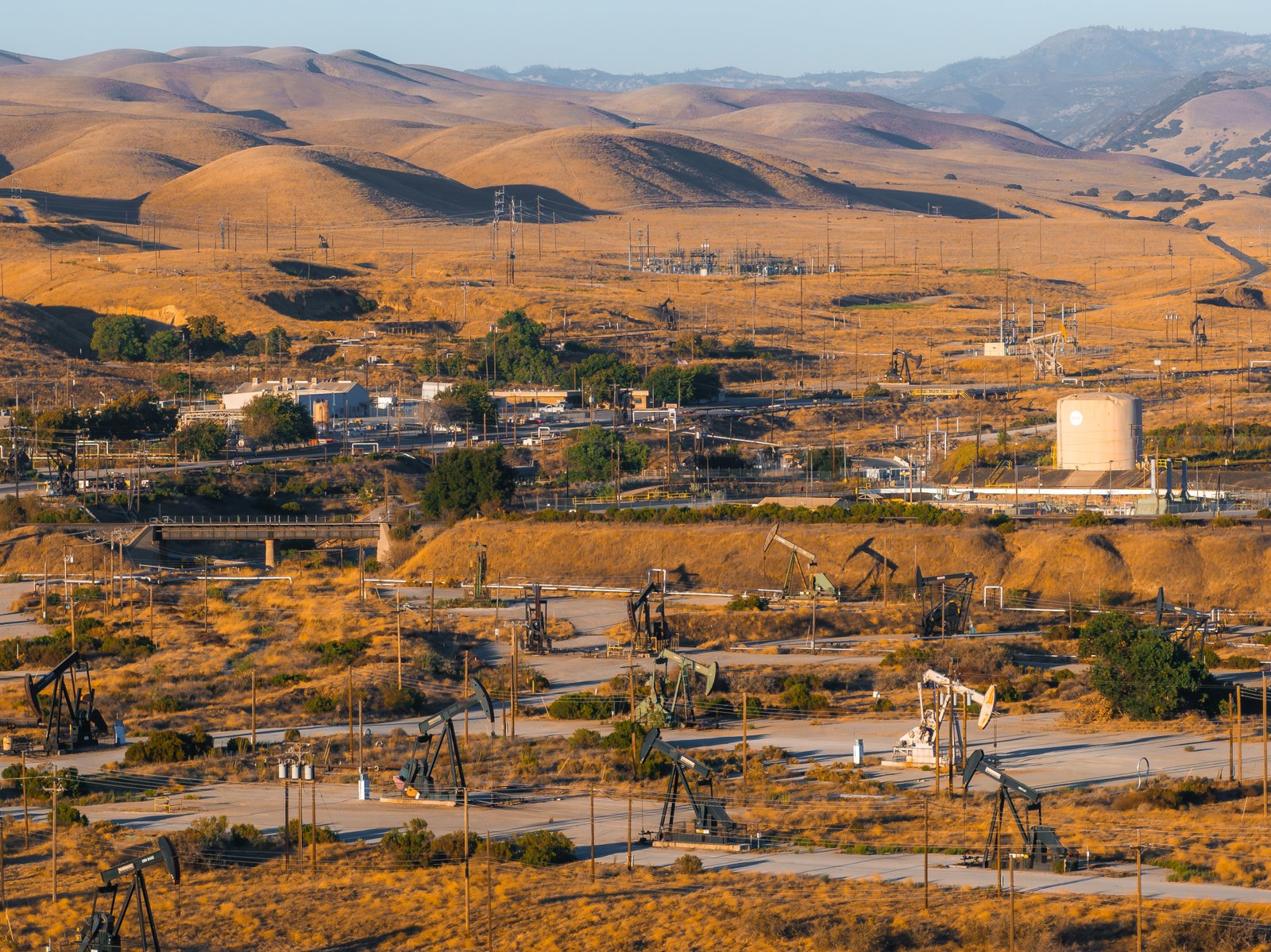
 Why mature fields still matter
Most of the attention in American oil and gas goes to the newest wells in the newest plays. But a large share of the country's daily production still comes from fields that were discovered decades ago and have been producing steadily ever since.
These fields have a known history. Their decline is gradual and predictable, their infrastructure is already in place, and the people who work on them know every well by name. For an operator willing to pay attention to detail, that predictability is an advantage, not a limitation.
Running a mature field well means keeping costs under control, keeping equipment maintained, handling water efficiently and planning for the day each well reaches the end of its life. None of that is exciting. All of it matters, both to the people who own interests in those wells and to the communities that depend on the activity they support.
That is the business Emerson Energy is in, and we think it is a good one.
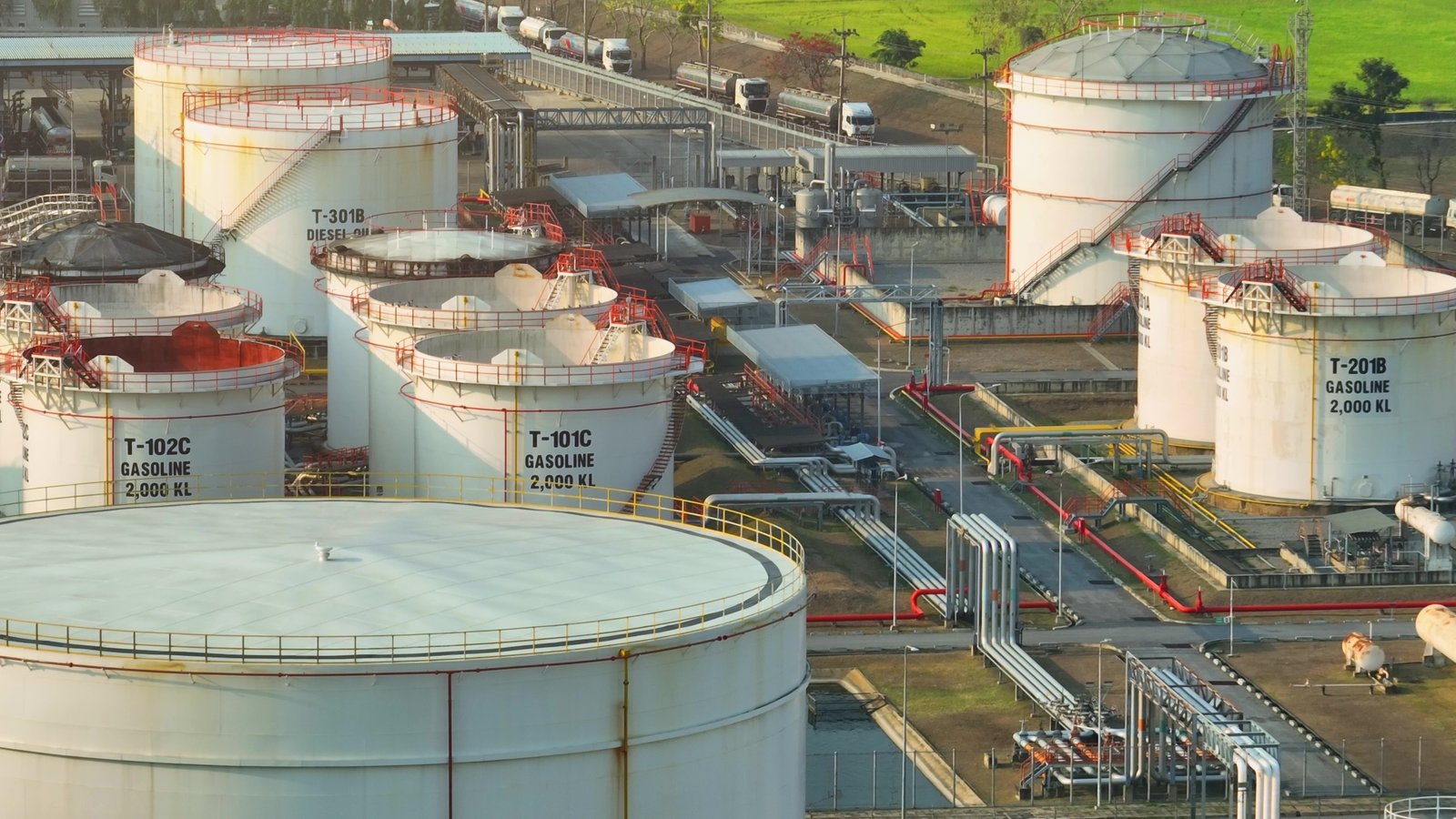 water: The Other Product
Every barrel of oil from a mature field comes with water, often many barrels of it. Handling that water safely and economically is one of the biggest day-to-day jobs on any lease.
Many operators pay a third party to take their water away. We chose to own and operate our own disposal facilities. That gives us control over cost, over capacity and over the standards the facilities are run to. It also means that when something needs attention, our own people deal with it.
Disposal wells are operated under permit, monitored continuously and inspected on a regular schedule. Pressures and volumes are recorded and reported. It is careful, methodical work, and it is a large part of what allows a mature oil field to keep producing responsibly.
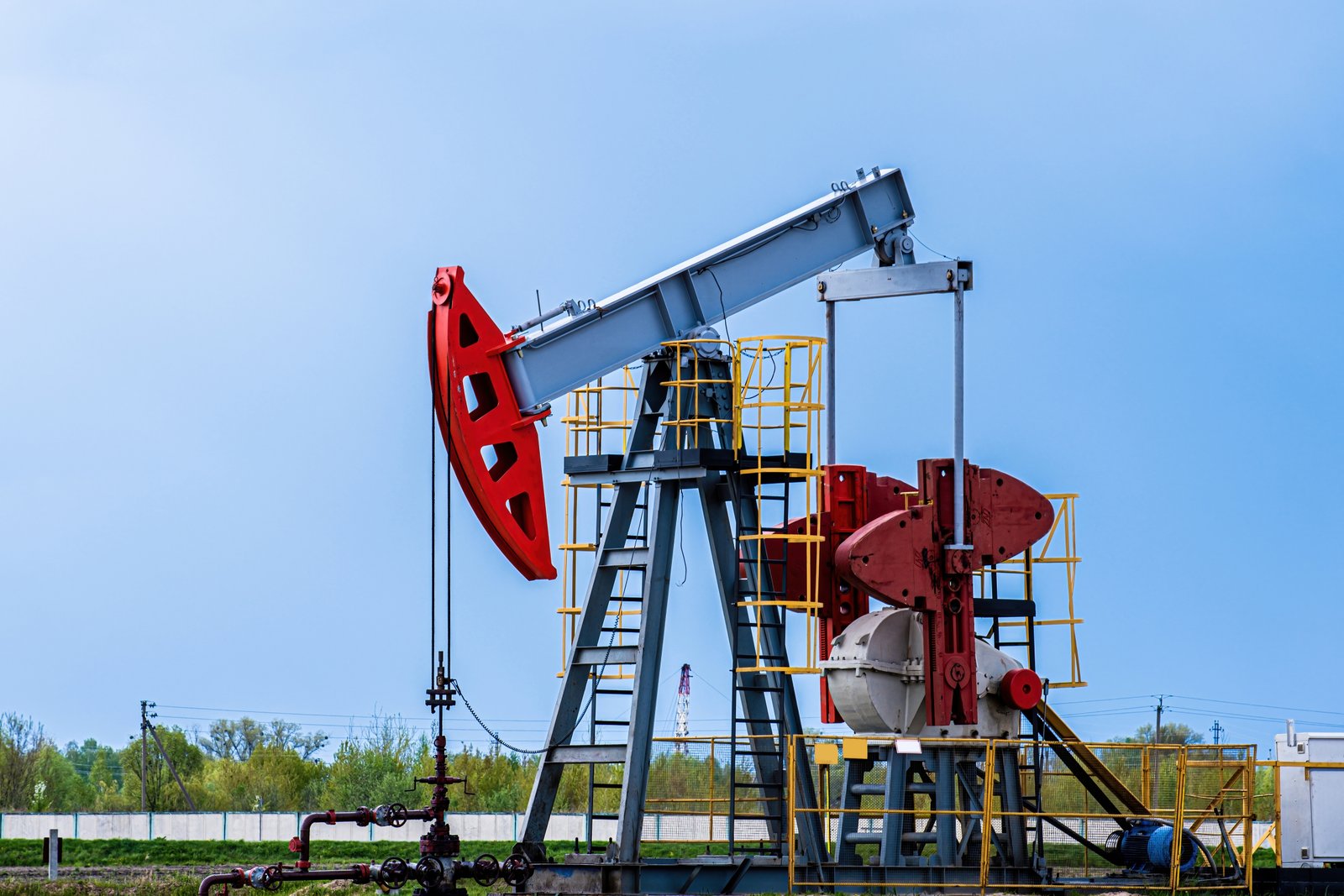 planning for the end of a well's life
Every well stops producing eventually. The question for an operator is not whether that day comes, but whether it has been planned for.
At Emerson, planning for retirement starts on the day we acquire an asset. We list every wellbore and facility, estimate what it will take to plug the well, remove the equipment and restore the surface, and review those estimates regularly as costs and conditions change.
When a well reaches the end of its economic life, it is scheduled for plugging alongside others nearby so the work is done efficiently and to the standard the regulator and the landowner expect. The site is cleared, the surface is restored, and the records are kept.
None of this is visible from the road. But it is the difference between an operator that owns its assets for the long term and one that simply holds them for a while.